
Table of Contents
What’s Driving Asset Performance in 2027?
In the world of big money think family offices, pension funds, and sovereign wealth plans everyone’s chasing the same answer as 2027 rolls in: Where do you put your money to get the highest returns? This year, three main players stand out in the hunt for profits. Crypto, Gold, and Equities are all vying for the top spot, but each behaves differently depending on how the global economy shifts, what central banks are up to, and how risky the world feels in any given week.
Right now, U.S. Treasury yields are holding steady above 5%. That’s a pretty chunky rate, and it forces investors to really think about which assets can outperform such a high baseline. Oil prices are still trading above $105, mostly because of geopolitical tensions adding another layer of unpredictability. Central banks, after years of tightening, seem ready to pause and become more “neutral.” All these signals set the stage for which asset could run ahead in 2027.
Snapshot: Returns and Risks for 2027
Let’s get straight to the point. Here’s how the top three asset classes are lining up:
Crypto (Bitcoin and Solana) is expected to be the breakaway winner in pure returns, with annual USD gains projected between 35% and 58%. That’s huge, but don’t forget crypto swings hard. Volatility can hit up to 62% a year.
Global Equities follow, offering steady, compound growth. Top-performing markets like India and Japan look good, set to deliver between 11.5% and 16.8% returns. The swings here are more moderate typically 14% to 18.5% and the risk is spread out thanks to dividends and buybacks.
Gold falls behind by absolute return (8.5% to 12% expected), but shines when it comes to protecting your cash from inflation or a financial blow-up. For investors, it’s the safety net.
But raw returns aren’t the whole story. If you adjust for volatility how bumpy the ride is a mix of all three often does best. An investor who balances them can smooth out wild swings and come out ahead on a risk-return basis.
Zooming In: What’s Powering Each Asset?
Crypto: The Liquidity Rocket
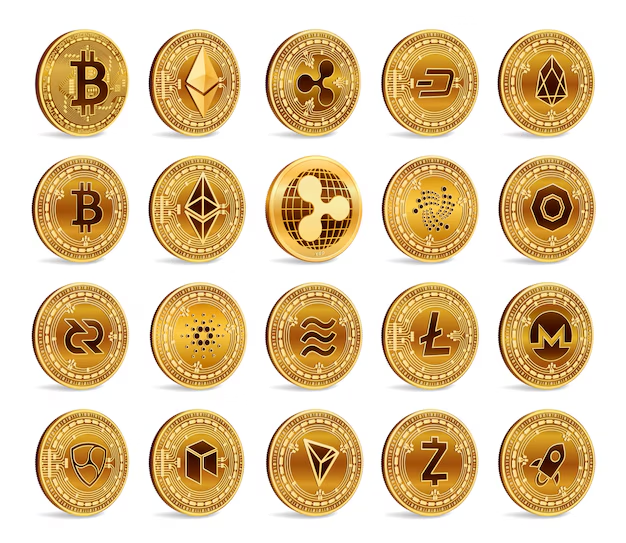
If you want fireworks, look at crypto. Bitcoin might hit $135,000 by year-end, with Solana racing toward $240. The main drivers for this run are:
- Massive money flows from big funds and new ETF products. By next year, spot ETF assets under management could top $150 billion as financial advisors build crypto into more portfolios.
- Bitcoin halving finally biting. The supply available to trade is lower than at any point in years. More than 74% of the entire Bitcoin supply sits in wallets not actively trading.
- Tech upgrades. Solana’s faster, more reliable blockchain lets institutions do things they once thought impossible like high-frequency trading or tiny instant payments.
Crypto’s big risk? It’s still a wild asset, with technical or regulatory setbacks always lurking. But no other class looks set to match crypto’s pure upside in 2027.
Equities: Growth with Stability
Stocks remain a bedrock for portfolios. The real growth stories are in India and Japan.
- India is seeing a wave of investment in infrastructure and manufacturing. Domestic mutual funds are pulling in over ₹24,000 crore per month through systematic investment plans. This steady money keeps the market buoyant and supports double-digit growth.
- Japan’s stock exchanges are pushing companies to clean up their finances and boost dividends, triggering a market renaissance.
- In the US, the big tech names (think Apple, Microsoft, Nvidia) are packed with cash and pushing into new AI-powered businesses but sky-high valuations may limit returns compared to India or Japan.
So, while equities offer less excitement than crypto, they’re a safer way to grow your money over time. Corporate earnings, dividends, and stock buybacks cushion the blow when markets go through rough patches.
Gold: The Old-School Hedge
Gold may sound dusty, but it still matters especially when fiscal policy gets shaky.
- Central banks around the world keep buying. Many countries want a buffer against US dollar volatility, sanctions, or unexpected shocks.
- High oil prices mean traders and institutions want safe havens, and gold has always been a go-to.
- US government debt continues to balloon. With interest rates near 5%, borrowing costs are rising, and worries about the dollar’s long-term strength push more investors to hold gold.
Returns lag behind crypto and stocks, but gold’s real value is in stability. When things go south, gold often holds steady or even rises. That’s why serious investors always keep a slice in their portfolios.
The Big Picture: Comparing Numbers and Risks
Let’s lay out the numbers side by side:
- Crypto: 35% to 58% returns, but sharp swings and occasional deep dives (sometimes losing 35% to 50% during rough spells). No income unless you’re staking, and if the tech stumbles, expect a rough ride.
- Equities: More predictable gains (11.5% to 16.8%), moderate swings, steady dividends (1.4% to 3.4% yield), and very liquid markets. Main risks come from earnings disappointments or policy mistakes.
- Gold: Smaller but dependable gains (8.5% to 12%), low volatility, and really shines when central banks or governments mess up. Slight risk of drops, usually limited to 8% to 12%.
Crypto’s closely tied to market liquidity when central banks open the taps, it surges. Equities track growth and earnings. Gold usually goes up when the real rate of return on cash (after inflation) turns negative.
The Forces Shaping 2027 Returns
Three things matter most for next year:
- High government bond yields. With US Treasuries near 5%, only high-growth or hard assets beat the hurdle. This boosts crypto and India/Japan equities, makes yield-poor assets look weak.
- Global debt is coming due. Central banks will have to keep markets calm, injecting cash if needed. History says that when money floods in, crypto and gold jump first.
- Expensive commodities. Oil over $105 a barrel eats into company profits, making it harder for some firms especially outside tech to deliver strong earnings.
The upshot? Investors have to think carefully about how to balance risk, reward, and the possibility of sudden policy shifts.
The Best Mix: How Should Investors Build Portfolios in 2027?
Here’s how a smart, diversified portfolio could look heading into 2027:
- 45% Global Equities (core stability). Spread it across India, US, and Japan, with the biggest chunk in India. This brings reliable income and growth.
- 25% Crypto (growth engine). Split across Bitcoin, Solana, and Ethereum. This gives your portfolio rocket fuel if the liquidity party continues.
- 20% Gold (safety net). Physical gold or ETFs work. Offers capital preservation if debt or inflation spikes.
- 10% Cash and short-term Treasuries (dry powder). Earning decent interest, and ready to be deployed if markets dip.
This mix aims to capture growth, take advantage of the biggest market moves, and protect against sudden shocks.
So, Who Wins in 2027?
- For best pure return: Crypto leads. If you can live with wild swings, digital assets will likely put up the highest numbers.
- For reliable, steady growth: Equities stand out. Especially India and Japan, where reform and investment cycles are running hot.
- For keeping your money safe when things go wrong: Gold is your friend. It’s the anchor when markets get choppy.
The real answer? It’s not about going all-in on one asset. The smartest investors spread their bets enough crypto for big upside, enough stocks for steady growth, and enough gold to sleep at night.
Smart allocation is how you win, not just in 2027, but year after year even when nobody knows exactly what comes next.
Final Thoughts
The investment landscape for 2027 is both exciting and unpredictable. Crypto is set to take off, stocks will crank out steady growth in the right markets, and gold will quietly protect portfolios behind the scenes. The biggest wins come from blending all three, aiming for growth without exposing yourself to wipeout risks.
Remember: let the numbers guide you, but always leave room for surprises. And above all, diversify because the future always finds a way to surprise even the best-prepared investors.