
Table of Contents
Overview
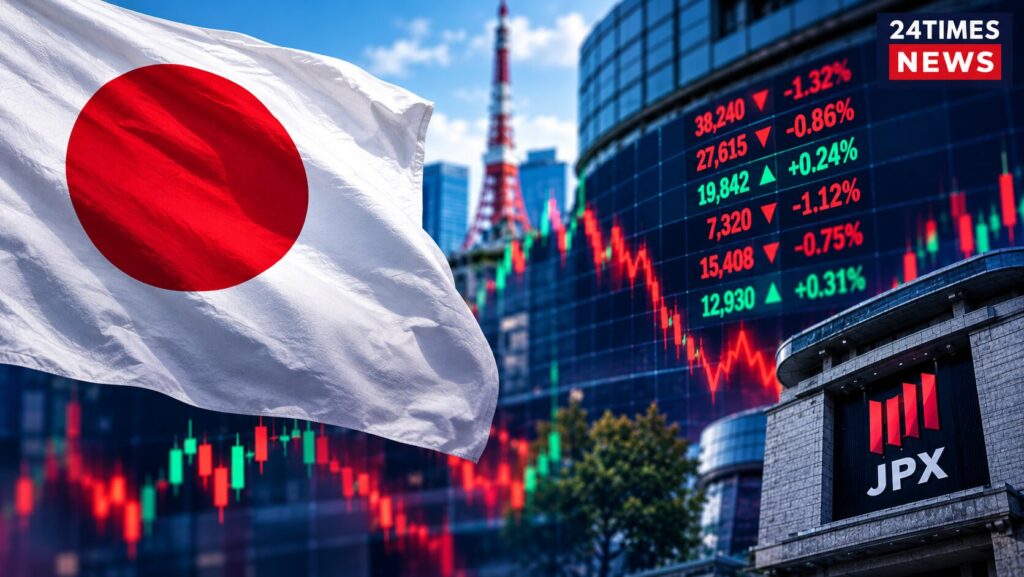
Here’s what happened with the Japanese stock market ahead of Sunday, October 11, 2026. Since the Tokyo Stock Exchange closes over weekends, the most recent numbers come from Friday’s intense trading session. Friday saw wild swings in the market specifically, the Nikkei 225 started almost 900 points lower but rebounded dramatically to finish nearly unchanged by the end of the day.
The Nikkei 225 Index, the main benchmark, dropped to 68,150.02 points early in the morning. This was triggered by global jitters about artificial intelligence stocks and some unexpected revenue news from AI firms. But then buyers jumped back in, pushing the index up almost 880 points it ended the day at 69,030.92 points, which was barely down at all (just -11.19 points or -0.016%). This kind of bounce-back shows Japanese investors were quick to scoop up bargains, even as some big tech names saw heavy selling.

Key Numbers and Market Snapshot
Take a look at the main indicators used by investors:
Nikkei 225 Index: 69,030.92 points, down 0.016%, flat compared to Thursday
TOPIX Index: 4,091.46 points, down 0.09%, showing some consolidation
Nikkei Intraday High: 69,143.45 points, up 0.15% at its peak
Nikkei Intraday Low: 68,150.02 points, down 1.29% early in the session
USD/JPY Exchange Rate: 148.65 yen, yen weakened slightly
10-Year Japanese Government Bond Yield: 1.165%, up a bit
The Big Turnaround: What Happened on Friday?
Friday’s wild trading shaped the mood for Sunday. The Nikkei 225 index started the session on shaky ground, opening at 68,648.50 points. In the first half hour, it fell sharply as global investors dumped shares of some Japanese technology giants. But as American index futures steadied and local buyers hunted for bargains, the Nikkei began a steady recovery. Afternoon trading saw the index reach a high near 69,143 points; it finally settled at 69,030.92.
Major Drivers and Market Factors
Here’s why the market moved the way it did:
OpenAI Revenue News: Financial news reported OpenAI’s annualized revenue was closer to $50 billion instead of the $70 billion expected. That news sent a shockwave through Japanese tech stocks, especially those tied to AI and semiconductors. SoftBank, which invests heavily in AI, was hit hard. Later in the day, after some reassurance about future revenue targets, panic selling eased and buyers returned.
Geopolitical Developments: News about a diplomatic pause in Middle East tensions helped push down oil prices. That’s good news for Japan since cheaper oil helps its companies with manufacturing costs.
Bank of Japan Survey and Interest Rates: The central bank’s survey showed that inflation was steady at around 1.9%. Because of this, investors mostly expect the Bank of Japan to keep interest rates unchanged this month, though a small hike is forecast for December. The bond market stayed mostly steady.

Winners and Losers: Which Stocks Moved the Most?
Even though the overall Nikkei index barely moved, the action beneath the surface was intense. Some stocks soared while others tanked.
Biggest Drops:
SoftBank Group (Tech/AI Holdings): Down 3.92%. Suffered from worries related to OpenAI’s revenue news and heavy exposure to AI.
Fast Retailing (Retail, Uniqlo): Down 4.04%. This company has a big influence on the Nikkei index and dragged it down.
Nidec Corp (Precision Motors): Down 7.20% due to supply chain issues.
Murata Manufacturing (Electronic Components): Down 4% as smartphone part orders cooled.
Kioxia Holdings (Semiconductors): Down 2.21%.
Biggest Gains:
Shift Inc (Software Testing): Up 6.48%, leading the gainers
Nomura Research Institute (IT Consulting): Up 5.09%, strong demand for IT upgrades
Trend Micro (Cybersecurity): Up 4.91%, benefited from investors looking for safer bets
BayCurrent Consulting (Management): Up 4.82%, showing resilience in corporate spending
Screen Holdings (Semiconductor Equipment): Up 4.60%, defied the tech trend thanks to robust order backlogs
Japan Tobacco: Up 4%, as investors favored steady dividend stocks
Focus on SoftBank and Fast Retailing
SoftBank was at the center of investor concerns. With its big investments in AI companies like OpenAI, the initial revenue disappointment led SoftBank’s shares to slump nearly 7% early on, before they bounced back a bit. Reports say Masayoshi Son, SoftBank’s founder, is trying to secure about $100 billion in funding from Gulf countries to build up AI infrastructure.
Fast Retailing, the parent of Uniqlo, carries the largest weight in the Nikkei. Its sharp drop erased more than 80 points from the index.
Technical Picture: Market Charts and Trends
Looking at the charts, the Nikkei is holding steady in a high range after breaking above 70,000 earlier this year. Key levels to watch:
Immediate resistance: 69,840 points
Recent options strike: 70,604 points
Intraday floor: 68,150 points
Major support: 67,168 points
Friday’s bounce created a pattern known as a “hammer candle” basically, this means buyers stepped in strongly near the early morning lows. As long as the index stays above 68,150, the market’s upward trend is intact. The Nikkei is also trading above its 50-day and 200-day moving averages, a positive sign for long-term investors.
Connection to Currency and Global Assets
Japanese stocks move closely with changes in currency and global bond markets:
USD/JPY: At 148.65 yen, the dollar is strong, making it easier for Japanese exporters to profits. Companies like Toyota and Honda have set their forecasts with a more cautious exchange rate, so this helps their bottom line when the yen is weaker.
Japanese bond yields: Steady, nudged up slightly
Brent crude oil: Eased to about $88.50 per barrel, making things easier for Japanese manufacturers
US 10-year Treasury yield: At 4.82%, international risk appetite stays steady

What to Watch in the Coming Week
Starting Monday, October 12, here’s what investors will look for:
Quarterly Earnings: Japanese companies are starting to report results for the quarter ending September 30. People will check if export growth can make up for rising wages and material costs.
US Data and Tech Earnings: American tech firms will announce results, and new inflation data comes out. Both can impact Japanese tech stocks.
Bank of Japan Clues: Any policy hints from officials could affect short-term rate expectations.
Possible Scenarios
The market could see one of three outcomes:
Strong Rally: If the Nikkei breaks above 69,840 and US tech stocks rebound, the target is 70,500–71,500. Investors pile into IT and defense stocks.
Sideways Trading: If the index holds between 68,150–69,500, expect steady accumulation in banks and high-yield dividend stocks.
Weakness: If the Nikkei falls below 68,150, defensive stocks like utilities and consumer staples become attractive.
Final Thoughts
Overall, Friday’s market drama and fast recovery highlight how Japanese investors are willing to buy dips even when global headlines seem shaky. The coming week promises plenty of action as earnings roll out and policy announcements loom. Investors should keep an eye on big tech, bank stocks, and defensive names as the market navigates uncertain times. Always do your own homework before making any decisions. Japanese stocks can swing sharply, so stay alert.