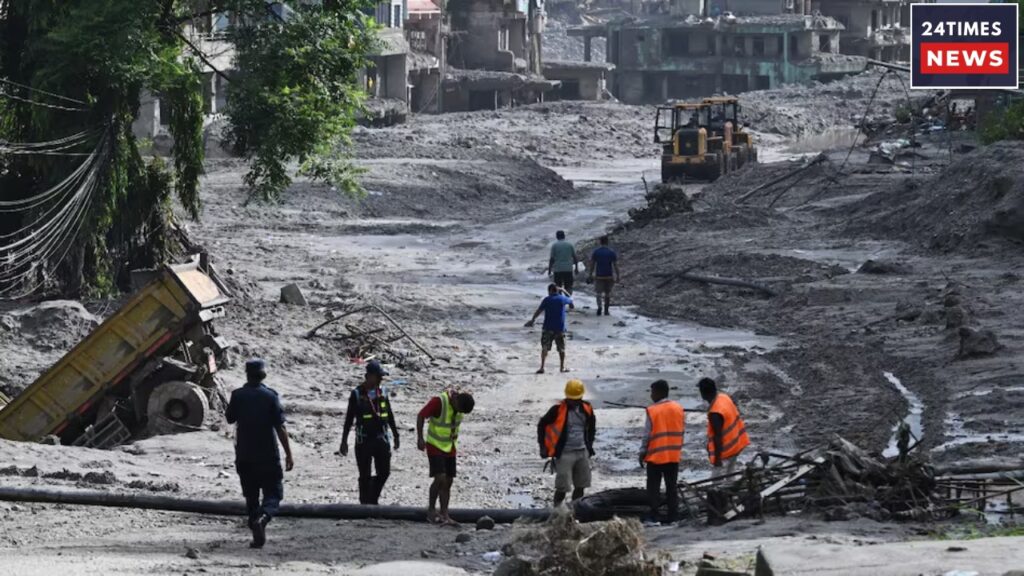
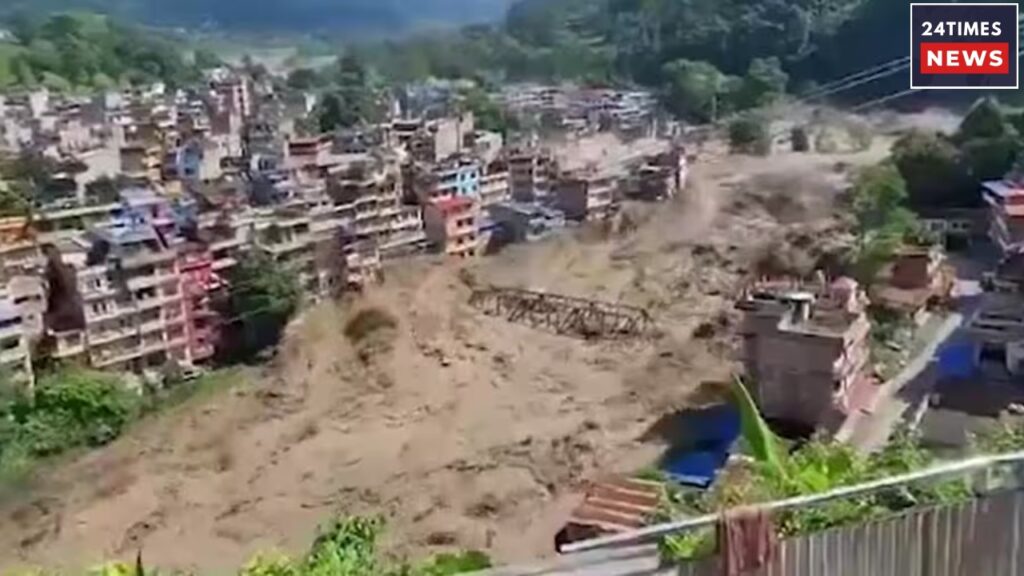
New Delhi: A sudden flood caused by a glacial burst in Nepal has wreaked havoc, leaving a pall of gloom over the region. Nothing but cries of anguish can be heard in the flood-stricken areas. Rescue teams are continuously retrieving missing persons from the debris. The death toll from this disaster has now risen to 962, while over 4,000 people are still reported missing.
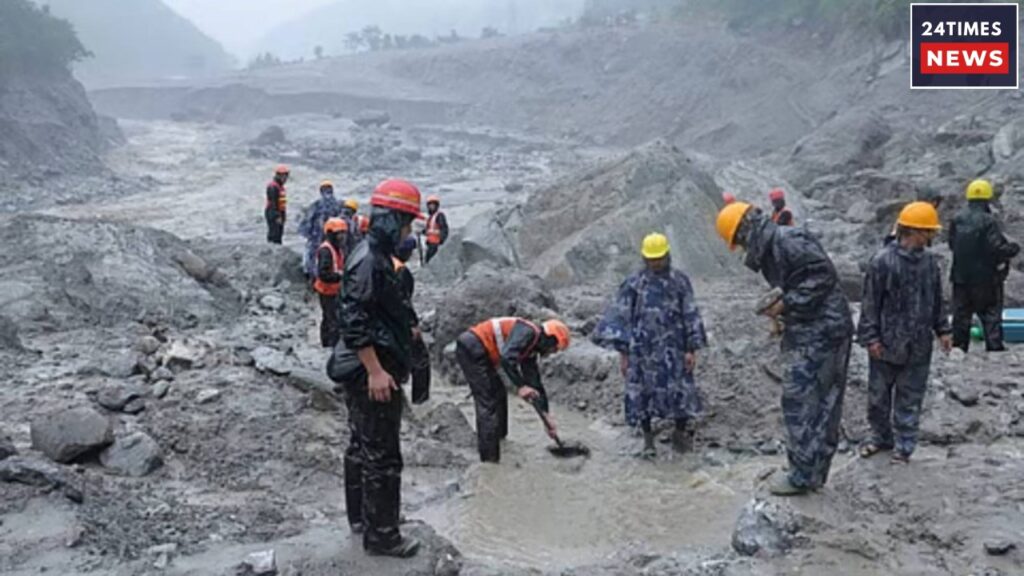
The death toll from the Nepal tragedy could rise further. Rescue teams are working tirelessly to pull out people trapped in the debris. A shocking discovery was made during rescue operations in Vetravati, Nuwakot district, where 23 bodies were recovered from a single house. The aftermath of the Nepal flood disaster is now also visible in Indian rivers.
23 Bodies Found in Gandak River
The impact of the Nepal tragedy is now clearly visible in India as well. Twenty-three bodies have been recovered from the Gandak River, which flows into Indian territory. Preparations are underway to hand these bodies over to Nepali agencies. The death toll in Nepal continues to rise day by day; although several days have passed since the disaster struck, the number of missing persons remains in the thousands.
According to Nepali media, a total of approximately 4,000 people are still reported missing. About 350 students are missing from Uttargaya village in Rasuwa district. Additionally, 40 to 42 engineers are trapped at the Trishuli 3A Hydropower Project. Rescue operations at this hydropower project could not commence even on the sixth day. It is reported that around 40 to 42 engineers were working at the site when the disaster struck. Meanwhile, 118 people remain trapped at the Trishuli 3B Hydropower Project.
Risk of Epidemic in Affected Areas
The threat of an epidemic now looms over the flood-affected areas. Seven days into the Nepal tragedy, a foul odour has begun to spread. This is largely attributed to the decomposition of bodies trapped within the debris and mud. Consequently, agencies operating in the affected areas now face the dual challenge of conducting rescue operations while also managing sanitation and preventing the outbreak of epidemics.
US Advises Against Travel
Many nations are actively responding to the disaster in Nepal. Citing the risk of floods and landslides, the US Embassy in Nepal has advised against non-essential travel to areas north of Dhunche village in Rasuwa district.
The US Embassy stated that search, rescue, and relief operations are ongoing in the region following the floods on August 26. There is a looming threat of flash floods, landslides, and traffic disruptions due to anticipated heavy rainfall in the coming days.