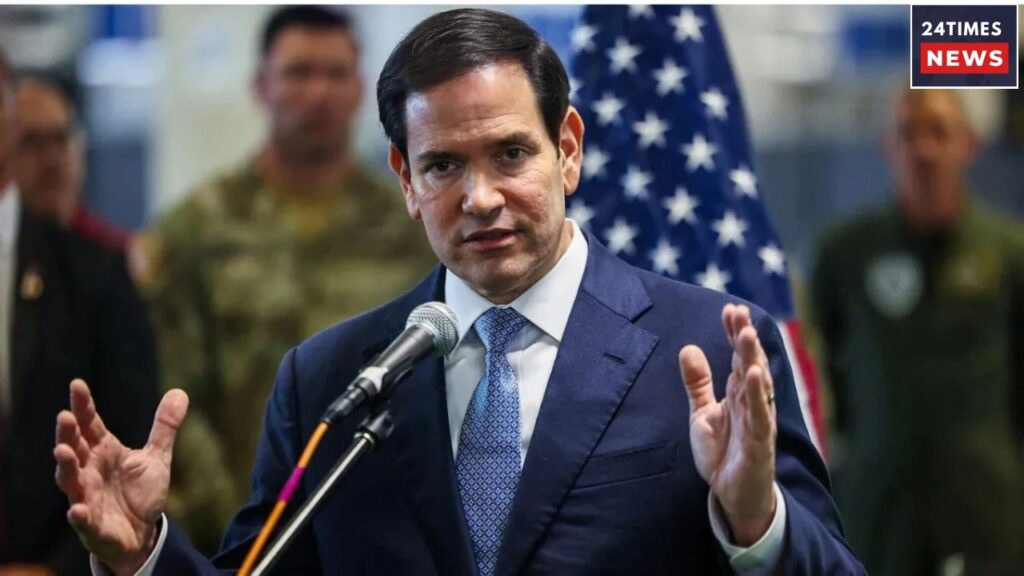
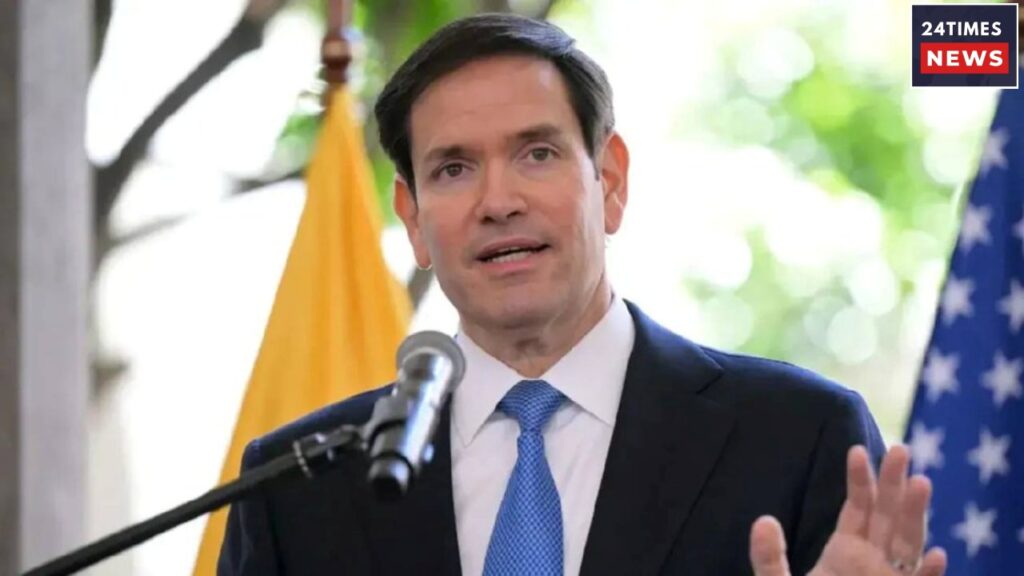
New Delhi: Tensions between the US and Iran continue to fuel instability across the Middle East. However, the US may now be easing its stance regarding direct attacks on Iran, opting instead to exert pressure through other means—including sanctions imposed this week. US Secretary of State Marco Rubio has conveyed to his counterparts in various nations that the US is not currently planning to launch new attacks against Iran.
The focus has shifted toward alternative methods of applying pressure, such as the sanctions announced this week. According to reports, Rubio’s message to allied foreign ministers came at a time when the US believes it is effectively squeezing Iran through a naval blockade while simultaneously ensuring the continued flow of oil through the Strait of Hormuz. This also signals that President Trump is weary of the conflict and desires its conclusion.

What did the US official say?
A senior US official stated that Rubio made it clear the US does not plan to return to large-scale military operations; however, he did not rule out the possibility of strikes should Iran initiate an attack.
Meanwhile, another US official noted that the US Navy’s removal of mines from the Strait of Hormuz marked a decisive turning point in the conflict, significantly neutralising Iran’s leverage.
What is the new US strategy?
The US Secretary of State outlined the American strategy regarding Iran during discussions with several counterparts. He indicated that the current priority is to avoid military action against Iran while intensifying economic pressure through a naval blockade and new sanctions from the Treasury Department.
The strategy also involves facilitating the maximum possible flow of oil through the Strait of Hormuz and into global energy markets. A second US official stated that this policy is expected to remain in place at least until the midterm elections, after which the possibility of military action could be reconsidered.
Find out how many vessels passed through Hormuz on Tuesday
According to a Reuters report citing shipping data, five commodity vessels passed through the Strait of Hormuz on Tuesday. While there was no significant change compared to the previous day, this figure is considered well below average.
Citing preliminary data from the ship-tracking company Kpler, Reuters reported that two tankers carrying liquefied petroleum gas (LPG) and one tanker carrying bitumen exited the strait, while empty product tankers entered the waterway. If tensions between the US and Iran subside, the Strait of Hormuz will once again become a hub of normal maritime traffic.