Table of Contents
Annamalai’s exit raises questions about the BJP’s Tamil Nadu strategy.
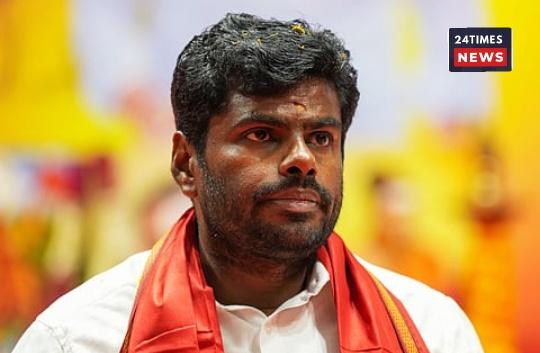
The news of K Annamalai’s exit from the BJP has sparked a new debate in Tamil Nadu politics. Annamalai has long been a prominent face in the efforts to strengthen the BJP in the state. His aggressive political style, outspokenness on issues related to Hindutva and efforts to expand the organization earned him recognition both within and outside the party. In such a situation, his exit is not only being seen as the departure of a leader, but is also being considered important for the future strategy of BJP in the state.
The politics of Tamil Nadu has long revolved around the Dravidian ideology. Amidst the strong presence of parties like DMK and AIADMK, BJP tried to create its own political space in the state. Annamalai became a prominent face of this effort. He tried to expand his reach among youth and urban voters, going beyond the party’s traditional support base.
Now the question is how will BJP take forward its Hindutva politics after Annamalai’s departure. Will the party continue with the same aggressive political style or change its message considering the social and political environment of Tamil Nadu? The party’s strategy in the coming times can answer this question.
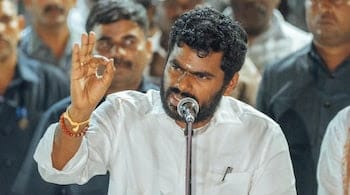
Hindutva politics in Tamil Nadu has not been easy.
Hinduism-based politics in Tamil Nadu has always faced a unique challenge. The political culture of the state is deeply influenced by social justice, regional identity and Dravidian ideology. This is why political issues having national impact have to be presented differently in the local political context of Tamil Nadu.
The BJP has tried to increase its presence in the state in the last few years and has included issues like Hindutva as well as development, corruption and governance in its political campaign. Annamalai relentlessly attacked the government and the opposition on these issues, thereby increasing the party’s visibility.
However, converting visibility into votes is not always easy. In Tamil Nadu, strong organisation of political parties, local leadership and social equations play an important role in the election results. Therefore, while the discussion on Annamalai’s role will continue, the question will also remain as to how BJP will maintain its support base without him.
Annamalai gave a different style to BJP politics.
Annamalai’s most prominent identity was his straightforward and aggressive political style. He openly attacked the opposition on many issues and tried to bring the BJP into the main political debate of Tamil Nadu. His style was different from traditional Tamil politics, which made him popular among supporters.
His speeches covered issues such as Hindutva, nationalism and corruption, as well as local political issues. His activeness on social media also increased his reach. This gave the BJP an opportunity to reach out to sections of society that were not previously closely connected to the party’s traditional politics.
But this aggressive style often became the cause of controversies. Political opponents questioned his statements and strategy. Now after his exit, the challenge before BJP is whether it will be able to fill the political space created by him through some other leader.
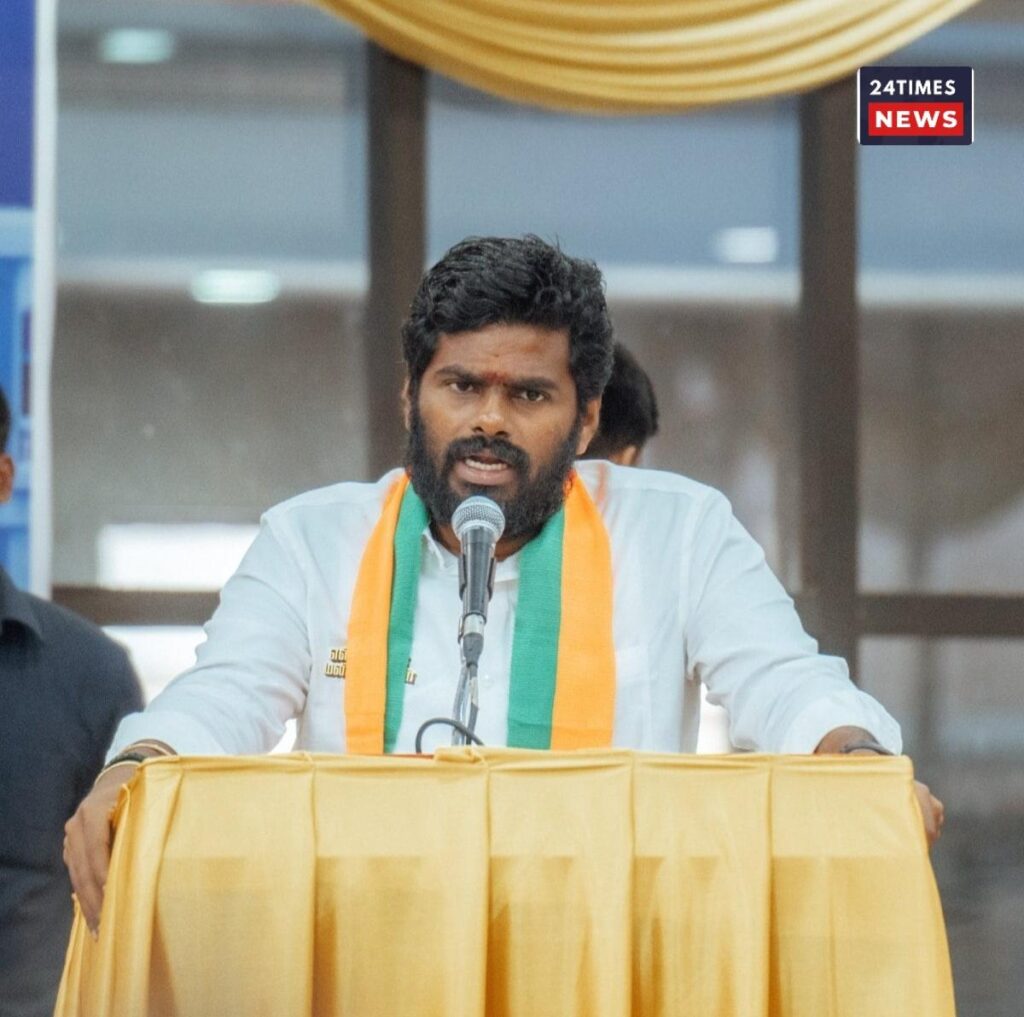
Will BJP have to change its political message now?
After Annamalai’s exit, the BJP is not just facing the question of leadership. The party will also have to decide how broad and local its political message should be in Tamil Nadu. Making Hindutva the main issue may be one way forward, but issues like social justice, language, regional identity and development are also very important among the voters of the state.
If the BJP wants to continue its political expansion, it will have to expand its reach to different social groups. This will require strengthening local leadership and continuously working on state issues. It is not considered easy to build a strong political base in the state with the help of national issues alone.
With Annamalai, the BJP had a face that could aggressively convey the party’s message to the public. Now that he is gone, the party will have to decide whether it continues with the same model or makes some changes to its strategy.
How difficult is the path of BJP amidst Dravidian politics?
Dravidian politics has deep roots in Tamil Nadu. The DMK and the AIADMK have influenced the state’s politics for decades. Apart from these, issues like language, regional identity and social justice have also been important in electoral politics. In such an environment, it has been a big challenge for BJP to combine its ideology with local political needs.
Annamalai tried to give a distinct political identity to the BJP. His supporters believed that his activism expanded the party and increased discussion about BJP among young voters. Critics argued that broad social support cannot be generated solely through aggressive political language.
Now with Annamalai out, this strategy of BJP will be put to the real test. If the party keeps its organization strong and brings forward new leadership effectively, then this change can also become an opportunity for it. But if the leadership vacuum persists for a long time, the party may face political losses.
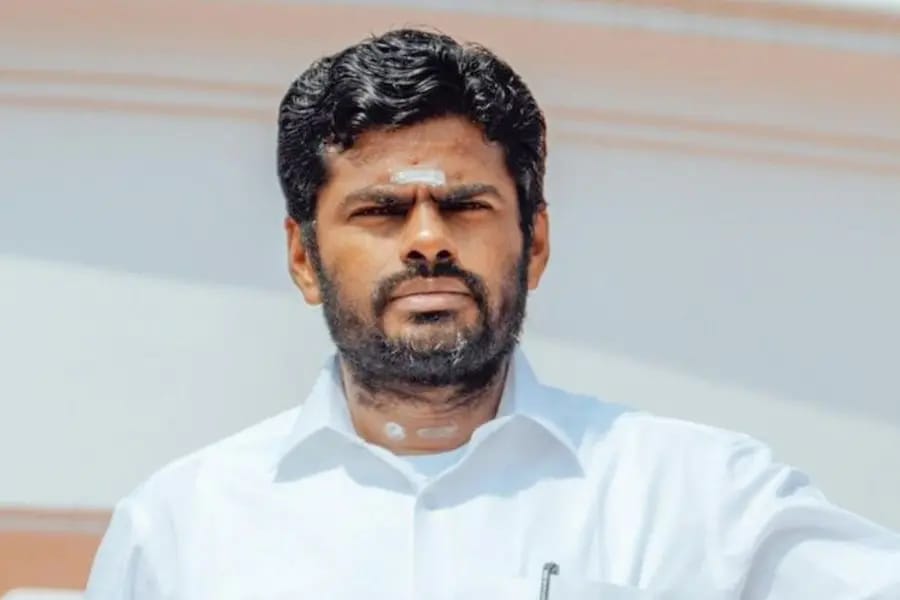
After Annamalai, the BJP faces both leadership and organizational challenges.
A strong political face in any state is not limited to the election campaign. It also becomes a hub for the organization and workers. Annamalai had created a similar space in the BJP. After his exit, it will be important for the party to maintain trust among the workers and supporters.
The BJP already has an organisational structure in Tamil Nadu, but it may feel the need for new leadership after Annamalai’s political visibility. How aggressive the new face will be and in what kind of language will he present the party’s ideology to the public, this will be an important question in the coming days.
Also, the party will have to decide whether its expansion in Tamil Nadu will be based only on Hindutva or whether development, employment, corruption and regional issues will also be given equal importance. This decision can affect the future strategy of BJP to a great extent.
Annamalai’s departure is not the end for the BJP, but an opportunity to rethink its strategy.
Annamalai’s exit from the BJP is certainly a turning point for Hindutva politics in Tamil Nadu, but it would be premature to consider it the end of BJP politics. The party still has the organisation, national leadership and the capability to continue trying to expand its base in the state.
The real challenge now will be how the BJP handles Annamalai‘s political legacy. Whether the party will continue with the aggressive political model he created or adopt a more comprehensive strategy, keeping in mind the local political culture of Tamil Nadu, will be clear in the coming days.
At present, Annamalai’s exit definitely gives BJP an opportunity to rethink its past political experiments. Mere ideological message will not be enough to advance Hindutva politics in Tamil Nadu. It will require local issues, strong organization, and leadership that understands both the state’s political language and the voters’ priorities.