Table of Contents
The travels of Nitish Kumar, Prashant Kishor, and Tejashwi Yadav have increased political activity in Bihar.
These days, the travels of leaders have sparked a different kind of discussion in Bihar politics. Chief Minister Nitish Kumar, Prashant Kishore and Tejashwi Yadav are trying to reach out to the public in their own ways. The special thing is that there is no immediate major election season behind these activities, yet the continuous presence of all three leaders in the field shows that political preparations in Bihar do not start only after the announcement of elections.
Nitish Kumar’s politics has long been focused on administration, schemes and taking his governance experience to the public. Whereas Prashant Kishore’s style is quite different from this. He goes among the public and talks about new political options and change. On the other hand, in the role of opposition, Tejashwi Yadav is seen trying to strengthen his base on the functioning of the government, youth, employment and other public issues.
Considering these visits as mere political programmes may not be the complete picture. In a state like Bihar, where caste equations, local issues and personal political influence influence election results, staying present among the public for a long time can be strategically important for leaders. This is the reason why political attention is focused even on the tours that start much before the elections.
The focus of Nitish Kumar’s tour is to bridge the gap between the government and the organization.
For Nitish Kumar, reaching out to the public has not been merely a means of political contact. In his politics, efforts to take government schemes and administrative work to the people have been continuously visible. Highlighting the government’s achievements through travel and public relations and understanding local problems is considered part of his political model.
In a time when governments that have been in power for a long time face the challenge of anti-incumbency, direct contact with the public becomes very important. It is also important for Nitish Kumar to know how much impact the government’s schemes are visible at the ground level and what are the priorities of the common people. In this way, travel can become a medium of communication between the government and the public.
Apart from this, keeping the party and local organization active can also be a purpose of such visits. Maintaining constant contact keeps leaders more politically prepared than suddenly activating the organization before elections. This aspect holds special importance in Nitish’s politics because it is important for him to maintain organizational control along with governance.
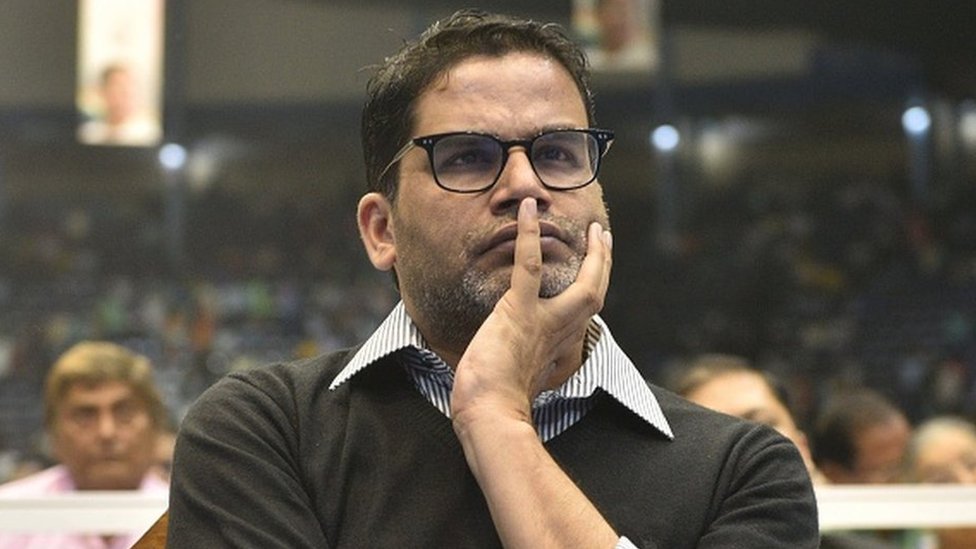
Prashant Kishor’s strategy is different, seeking to build a new political base among the public.
Prashant Kishor’s political journey has been quite different from that of traditional leaders. After gaining long experience as an election strategist, he decided to enter politics himself. Now the biggest objective of his tours can be considered to be to strengthen his personal identity among the public and the political base of Jan Suraaj.
Prashant Kishore’s political focus is often seen on issues like development of Bihar, education, employment, migration and change in the system. Interacting directly with people during his travels has been an important part of his political model. The advantage of this could be that they get a chance to understand the local problems and political thinking of the people in different areas.
His challenge is also different from other leaders. Established political parties already have strong organizations and activist networks, while new political alternatives have to work hard to establish themselves. Therefore, the time before the elections can be an opportunity for Prashant Kishore to prepare the organization and increase his credibility among the public.
For Tejashwi Yadav, the tour is an opportunity to strengthen the opposition’s position.
Youth, employment, and social justice have been central to Tejashwi Yadav’s political career. Travelling among the public while being in the opposition can become a medium for them to create a political narrative against the government. Through such visits, he can interact directly with the people and identify the issues that may have an impact on the upcoming elections.
The biggest challenge before Tejashwi is that he will have to maintain his support base while also reaching out to those voters who are not completely with him yet. Constant outreach gives them the opportunity to reach out to different social and regional groups. This expansion is considered important for any big leader in Bihar politics.
Through the tours, the opposition can not only put pressure on the government but can also keep its workers active. In electoral politics, being present on the ground for a long time keeps the organization energetic. Therefore, Tejashwi’s tours can be seen not only as a campaign against the government, but also as an attempt to continuously strengthen his political hold.
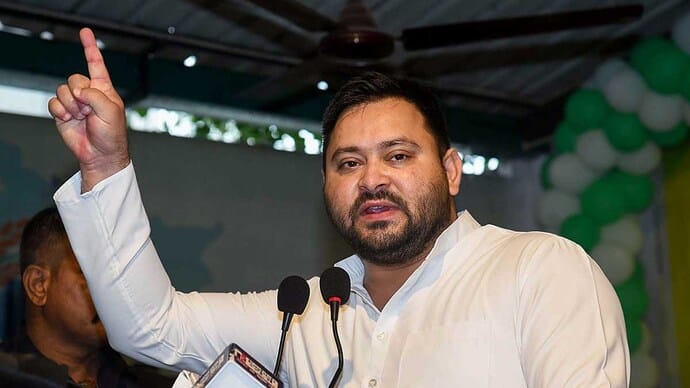
Why does travel become a political weapon before elections?
The biggest advantage of political tours is that leaders can remain among the public for a long time. While election rallies usually focus on speeches and political messages, yatras give leaders a chance to interact with people from different walks of life. This provides information about local issues and political strategy can be changed accordingly.
This strategy becomes even more important in a large and politically diverse state like Bihar. The three leaders have different strategies, but the same goal. Nitish Kumar, Prashant Kishor, and Tejashwi Yadav have different political styles and circumstances. While in power, Nitish tries to make his government and administrative work accessible to the public. Prashant Kishor is preparing the ground for a new political alternative, while Tejashwi Yadav is trying to corner the government and consolidate his support base while remaining in the opposition.
There is definitely one similarity in the travels of these three – being constantly present among the people. Instead of suddenly becoming active at the time of elections, by reaching out to the people in advance, leaders can gauge their political hold and can change their strategy as per the need. However, travel in itself does not guarantee electoral success. The real test comes during elections, when the organisation, candidates, alliances, issues and the final verdict of the voters come to light. Therefore, it would be more appropriate to see these visits as political preparation and public relations strategy for now.
The long preparations have already begun in Bihar politics.
The visits of leaders to Bihar have certainly indicated that political parties and leaders are eager to prepare their ground without waiting for election dates. Nitish Kumar is trying to strengthen the grip and organization of his government, while Tejashwi Yadav is busy in making the opposition politics more active. This is the time for Prashant Kishore to take a new political option to the people.
It will be interesting to see how much political impact these visits will have in the coming months. If this helps leaders understand the changing priorities of the public and strengthen the organization, it can be beneficial at the time of elections. At the same time, it will not be easy to gain support on the ground only through big political claims and visits.
At present, it is clear that electoral politics in Bihar does not run only when the polling date approaches. The real preparation for leaders begins much earlier than that. The tours of Nitish Kumar, Prashant Kishor and Tejashwi Yadav appear to be part of this long political preparation, where efforts to connect with the public, identify issues and keep the organization active are going on simultaneously.