Table of Contents
Congress’s silence: why did Shashi Tharoor speak out for Sonam Wangchuk?
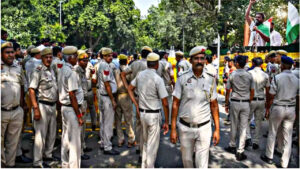
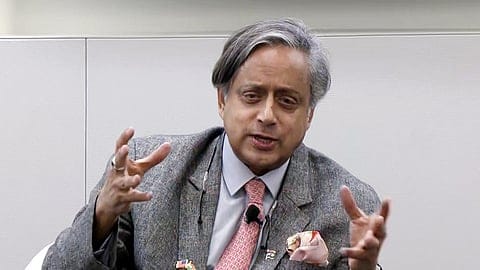
The official stand of the Congress is still not clear amid the ongoing under the banner of Cockroach Janata Party (CJP) at Jantar Mantar in Delhi and the ongoing protests in support of Sonam Wangchuk. However, senior party leader and MP Shashi Tharoor has written an open letter on this issue and expressed support for the protesting students and Sonam Wangchuk. His move has started a new discussion in political circles.
Shashi Tharoor supported the right to peaceful democratic protest and said that the issues raised by the students and protesters should be considered seriously. He also said that efforts will be made to raise this issue in Parliament, so that there can be a wide discussion on the questions related to it. On the other side, no detailed official statement has yet been issued by the Congress party on this movement. Tharoor’s public response is being seen as a personal political initiative, separate from the party’s official stance. However, the Congress party has yet to issue any clarification in this regard.
Political researchers believe that Sonam Wangchuk and the students’ movement are no longer just a regional issue but are becoming a topic of political and social debate at the national level as well. In such a situation, the reactions of various political parties and leaders are being constantly monitored.At present the movement is continuing at Jantar Mantar and the protesters are expecting a positive initiative from the government on their demands. After Shashi Tharoor’s open letter, political discussion has also intensified regarding the possibility of this issue reaching the Parliament.
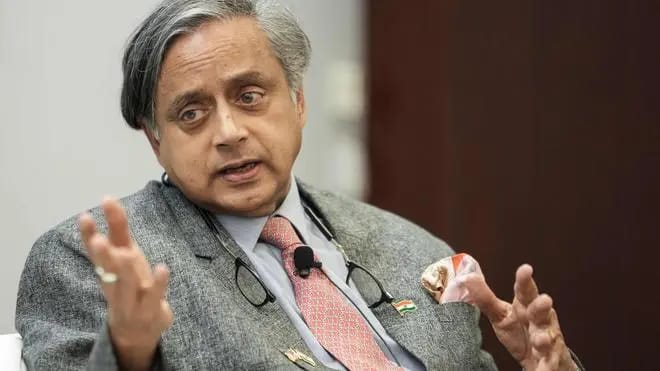
What did Shashi Tharoor say in his open letter?
Congress MP Shashi Tharoor wrote an open letter to Sonam Wangchuk and student agitators protesting at Jantar Mantar, expressing support for their concerns. He said that in a democracy, peaceful and non-violent protest is the constitutional right of citizens and the government and the Parliament should seriously consider the issues raised through such movements.
Tharoor, in his letter, assured that efforts would be made to raise the issues raised by the agitators in Parliament. He said that in a democratic system, the most effective way is to find solutions through dialogue and constitutional processes. He also appealed to the protesters to put forward their views in a peaceful and democratic manner.
On the other hand, no detailed official statement has been issued by the Congress on this entire movement so far. For this reason, a discussion has started in political circles whether this reaction of Tharoor is his personal opinion or in future the party will also clarify its formal stand on this issue.
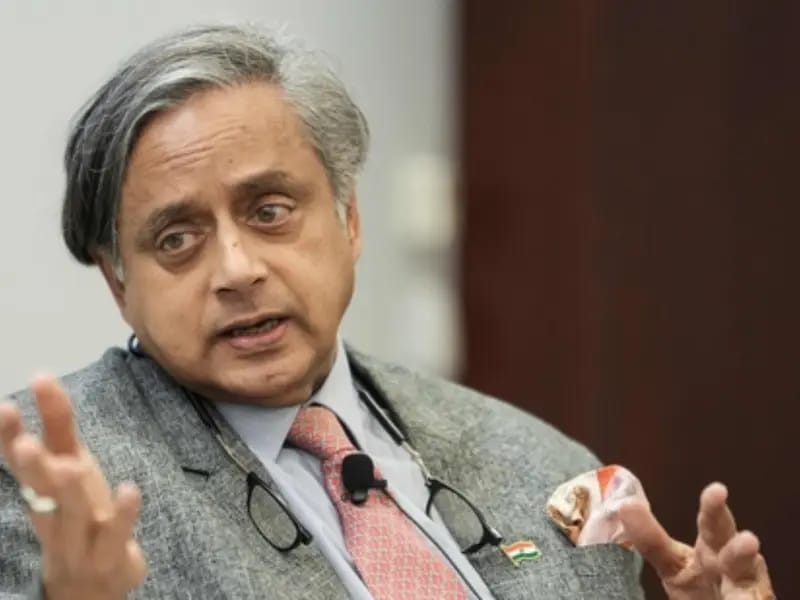
Will this issue reach Parliament?
After Shashi Tharoor’s statement, the discussion has intensified on whether the ongoing movement at Jantar Mantar can become a major issue in the Parliament. Political analysts believe that if the opposition raises this issue in the House, there is a possibility of a response from the government as well.
However, till now the top leadership of Congress has not made any formal announcement on this matter. In such a situation, it will be important to see how this issue comes up in the upcoming session of Parliament and what stand other opposition parties take on it.
At present the movement is continuing and the protesters are expecting positive initiative from the government regarding their demands. At the same time, Shashi Tharoor’s open letter has made this entire movement a part of the national political debate.
How is the Jantar Mantar movement becoming a part of the national political discourse?
The ongoing movement at Jantar Mantar in Delhi is no longer limited to just the protesters. As the movement receives support or response from various social organizations, academics and political leaders, it is becoming a topic of national political debate. The issues raised by Sonam Wangchuk and the protesting students have sparked widespread debate among the government, the opposition and civil society.
After Shashi Tharoor wrote an open letter, this movement has got a new political dimension. Although the Congress has not yet officially taken a detailed stand, Tharoor’s initiative has increased speculation about the opposition’s possible strategy. Political analysts believe that if this issue is raised in Parliament, a detailed debate can be seen on it between the government and the opposition.
Experts say that in a democratic system, peaceful protest and dialogue are important means of resolving any sensitive issue. The impact of such movements is not limited to political decisions, but also affects public policy, administrative accountability and public participation. This is why this demonstration at Jantar Mantar is now continuously attracting attention at the national level.
What next, will a path of dialogue be created between the Parliament and the government?
Now the most important question in this entire incident is what further steps will be taken on the demands of the protesters. In his open letter, Shashi Tharoor has talked about raising these issues in Parliament, but it remains to be seen what the official stand of the Congress will be and how active the other opposition parties will be on this issue.
On the other hand, the government’s response is also being considered important. If the government moves forward towards talks with the agitators and concerned parties, the possibility of a solution may become stronger. At the same time, if the political rhetoric and allegations and counter-allegations continue, then this issue may gain more political importance in the future.
Political experts believe that the upcoming session of Parliament could prove to be important for this issue. If the opposition raises the issue prominently and the government responds, it could lead to widespread discussion at the national level. At present, everyone’s eyes are fixed on the next strategy of the movement, the response of the government and the possible debate in the Parliament, because this will decide in which direction this movement moves forward.