Table of Contents
Shiv Sena (UBT) alleges orchestrated defection weakens democratic politics, questions Maharashtra’s political climate
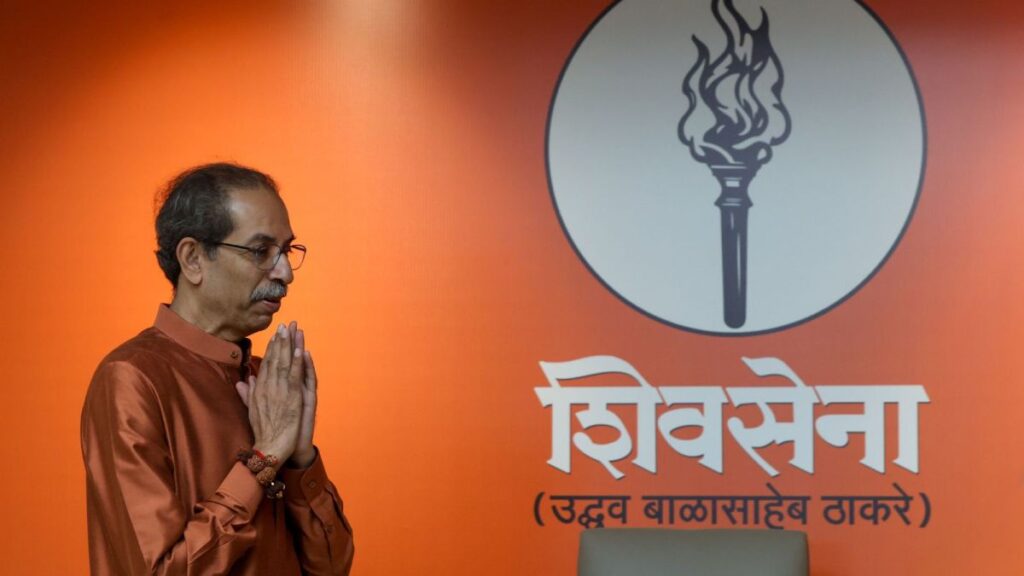
In Maharashtrain Politics the issue of defection is once again at the center of discussion in Shiv Sena (Uddhav Thackeray) has claimed that “engineered defection politics” has caused severe damage to the democratic culture and political system of the Maharashtrain state. The political party stated that the way these uncertain developments have taken place in the last few years has raised various queries on the public command and democratic values.
Shiv Sena (UBT) claims that frequent defection of elected representatives affects the confidence of voters. Party leaders say that if the public representatives who vote for the ideology and leadership in the elections later become part of another party or alliance due to political circumstances, then it hurts the democratic spirit.
The party also said that stability and transparency are extremely important in a politically conscious state like Maharashtra. According to him, governments should be formed by the mandate of the people and not through political manipulation or defections.
However, on the other hand, the leaders of the Mahayuti alliance have already rejected such allegations and said that the public representatives accompanying them have taken the decision keeping in mind their political future and the interests of the public. He says that this is a part of the democratic process and a decision taken within the ambit of the Constitution.
Political analysts believe that the developments in Maharashtra over the past few years have sparked a new debate on the anti-defection law, political ethics and the interpretation of the mandate. Different parties have their own political and ideological interpretations on this issue.
At present, Shiv Sena (UBT) has once again raised this issue prominently, indicating that the question of defection and democratic values may remain among its major issues in the upcoming political campaigns.
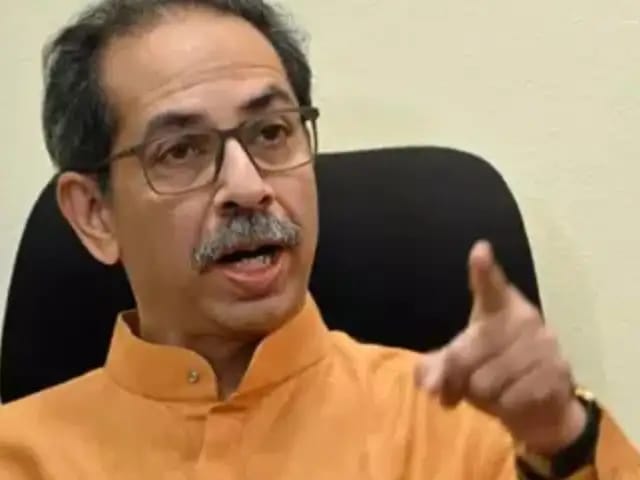
What are the reason for ongoing conflict in Maharashtra politics over defection?
The political changes in Maharashtra over the last few years have made defection one of the trending topic about political debates in the state. Many events, from the formation of the government to the defection of various leaders, have influenced the political environment.
Shiv Sena (UBT) says that frequent defections affect democratic institutions and public confidence. The party believes that if elected representatives change their political allegiance after the elections, it also affects the expectations of the voters.
At the same time, the ruling coalition has been of the view that in a democracy every public representative has the right to take his own political decisions and if he takes any decision following the constitutional procedures, then it cannot be called wrong only from the political point of view.
Experts believe that this debate is not limited to Maharashtra only. In many states of the country, controversies have been arising from time to time regarding defection, political stability and interpretation of mandate. In such a situation, the final evaluation of this issue is based on political debate as well as constitutional and legal processes.
Why did Shiv Sena call defection Pernicious for democracy?
Uddhav Balasaheb Thackeray says that frequent defections have weakened the political culture of Maharashtra. The party alleges that when elected representatives change their party after the elections, it affects the confidence of the voters. According to him, adopting a political path different from the ideology and leadership for which the public votes can be considered contrary to the spirit of the mandate.
Party leaders also said that democracy is not limited to forming the government, but it is equally important to maintain public trust and political morality. On this basis, Shiv Sena (UBT) has criticized the political developments using the term “engineered defections”.
However, the ruling coalition has previously rejected these allegations and said that all political decisions have been taken as per the constitutional process.
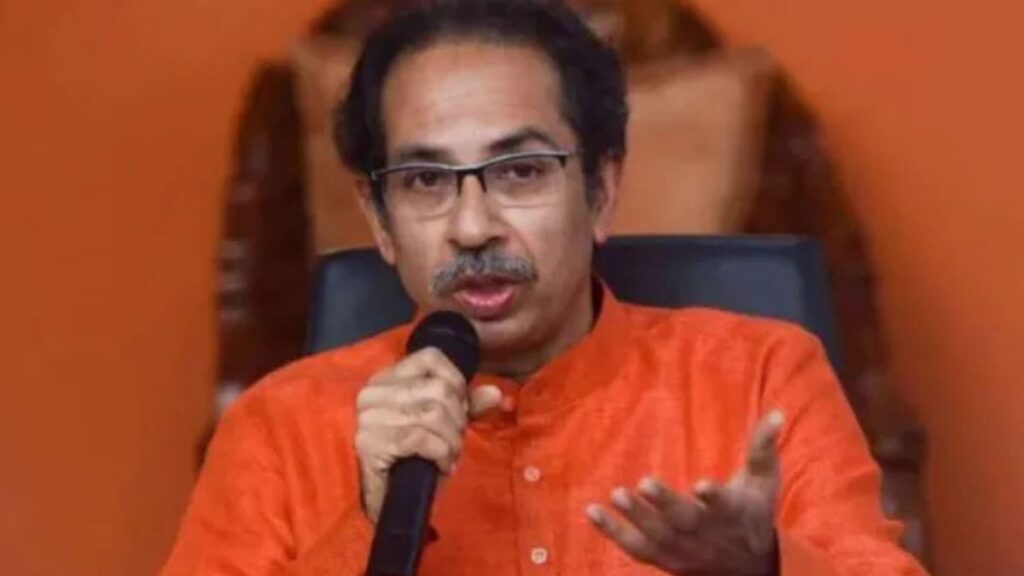
What is the ruling party’s argument on defection?
In response to the allegations of Shiv Sena (UBT), the stand of the Mahayuti alliance and the leaders associated with it has been different. He says that in a democracy every MLA and MP has the right to take his own political decisions. If a public representative decides to support another party or alliance while remaining within the ambit of the Constitution and the law, it cannot be called completely undemocratic.
The ruling party also argues that many leaders took new political decisions due to development of their area, political views or organisational reasons. Therefore, every defection cannot be seen from the same perspective.
Political analysts believe that this is why the interpretations of both sides on this issue are different. The final decision is also linked to judicial and constitutional processes in many cases.
How deep has the impact of defection been in Maharashtra politics?
Maharashtra politics has seen many major developments in the last few years. The formation of governments, change of alliances and leaders of various parties choosing new political paths have been a topic of constant discussion. These events gave a new direction to the politics of the state, but also intensified the debate about political stability and mandate.
Experts believe that the impact of defection is not limited only to the numbers in the assembly. This can also affect the organization of political parties, the morale of the workers and the trust of the voters. When a big leader or a large number of public representatives change parties, the political equations change rapidly.
On the other hand, some analysts also say that political realignment is not unusual in democracy. If it happens under constitutional provisions, it is also considered a part of the democratic process.
For this reason, the issue of defection in Maharashtra is not limited to mere political allegations and counter-allegations, but it has become a subject of a wider debate related to democratic values, interpretation of mandate and constitutional system.
The issue of defection may persist in electoral politics.
With the upcoming elections in Maharashtra, the issue of defection appears to be once again becoming a major political topic. Shiv Sena (UBT) is preparing to take it to the public by linking it with democratic values and protection of the mandate. The ruling coalition has been calling its decisions part of the constitutional and democratic process.
Political observers believe that this debate may intensify in the coming times, as during the election campaign, political parties make each other’s decisions and past events a major issue.
However, the final assessment of any political allegation is based on facts, legal processes and public judgment. Therefore, at present it would be premature to say to what extent the issue of defection will affect the election results.
It is certain that defection in Maharashtra politics is no longer just a matter of political strategy. This has become a major debate related to democratic accountability, political ethics and public trust. The campaigns of political parties and public response in the coming months will determine how much impact this issue has.